Drone Telecommunication Tower Inspection in Malaysia
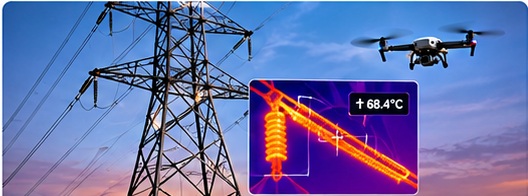
Drone telecom tower inspection uses aerial visual imaging to inspect telecommunication tower structures, antennas and associated equipment from above. At Setia Vision AI, we conduct visual inspection of telecom towers across Malaysia, documenting structural condition, corrosion, antenna mounting and cable routing for maintenance reporting and asset management.

What Is Drone Telecommunication Tower Inspection?
Drone telecom tower inspection uses aerial visual imaging to inspect telecommunication tower structures, antennas and associated equipment from above. At Setia Vision AI, we conduct visual inspection of telecom towers across Malaysia, documenting structural condition, corrosion, antenna mounting and cable routing for maintenance reporting and asset management.
Inspection Challenges We Address
Understanding the practical difficulties that drive the need for drone-based inspection.
Manual tower climbing for inspection exposes workers to fall hazards and requires specialized access teams
Tall towers with complex antenna installations are difficult to inspect comprehensively from the ground
Documenting the condition of antennas, mounts and cable routing at height requires close-up access
Scheduling tower inspections around network operations and tenant access requirements
Maintaining consistent inspection records across a portfolio of tower sites
What We Inspect
The specific elements and conditions we document during each inspection.
Tower Structure
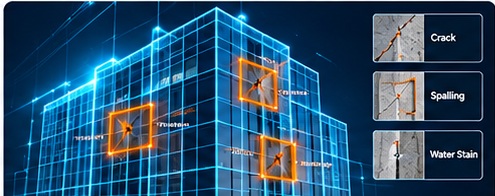
Visual inspection of tower members, bracing, bolts and structural components for condition and integrity.
Corrosion
Visible corrosion on steelwork, galvanizing degradation and rust on structural members and hardware.
Antennas & Mounts
Antenna condition, mounting bracket integrity and alignment where visible from aerial inspection.
Cable Routing
Cable tray condition, cable bundling and visible cable management issues on the tower.
Visible Defects
Loose bolts, missing hardware, damaged components and other visible defects documented during survey.
Site Overview
Aerial overview of the tower site including compound, fencing and surrounding area.
Our Drone Inspection Process
A structured, engineering-driven approach from planning to report delivery.
Site Planning
We plan the flight approach, confirm site access and coordinate with the tower operator or owner.
Aerial Data Capture
Drones capture high-resolution imagery of the tower from multiple angles and elevations for complete structural coverage.
Image Processing
Captured imagery is organized by tower section and component for systematic review.
AI-Assisted Defect Identification
AI-assisted workflows help flag potential defects such as corrosion and visible damage across imagery.
Engineering Review
All findings are reviewed and verified by our team for technical accuracy.
Report Delivery
A structural inspection report with defect documentation and maintenance recommendations is delivered.
The Role of AI in Our Inspection Workflow
AI-assisted analysis supports the identification of visible defects such as corrosion, damage and structural anomalies across tower inspection imagery. This helps screen large numbers of images efficiently. All AI-flagged findings are verified by our team before inclusion in the final report. AI assistance does not replace structural engineering assessment where certified structural inspection is required.
Learn about the LAVEXA platformTypical Deliverables
What you receive after each inspection project.
- Tower structural inspection report with defect documentation
- High-resolution imagery organized by tower section and component
- Corrosion assessment with location and severity
- Antenna and mounting condition documentation
- Maintenance recommendations and priority classifications
- Site overview aerial imagery
Request an Inspection Quotation
Contact our team to discuss your inspection requirements and receive a tailored solution proposal.
Benefits of Drone-Based Inspection
Safer inspection without tower climbing for routine visual condition assessment
Comprehensive visual coverage of tall and complex tower structures
Detailed documentation of antennas, mounts and cable routing at height
Faster inspection compared to manual climbing and ground-based telephoto inspection
Consistent inspection records for portfolio-level asset management
Minimal disruption to tower operations during inspection
Industries That Benefit From This Service
Frequently Asked Questions
Direct answers to common questions about this inspection service.
Can drone inspection replace structural engineering certification?
Drone inspection provides comprehensive visual documentation of tower condition but does not replace certified structural engineering inspection where this is required by regulation or tower owner policy. We recommend drone inspection as a routine condition monitoring tool, with physical inspection or engineering certification conducted as required.
How close can the drone fly to the tower?
We maintain safe standoff distances and plan flight paths to capture detailed imagery without risking contact with tower structures or antennas. Our methodology captures imagery at sufficient resolution for defect identification while maintaining safe operations.
Can you inspect towers with active antennas?
Yes. Drone visual inspection can be conducted on towers with active antennas. We coordinate with the tower operator regarding RF safety considerations and site access requirements.
Do you inspect rooftop telecom installations?
Yes. We can inspect rooftop antenna installations, pole mounts and rooftop tower structures using drone aerial inspection, providing visual documentation without requiring roof access.
How long does a tower inspection take?
A single tower inspection typically takes 30 to 60 minutes of flying time, with report delivery within 3 to 7 business days depending on project scope and number of towers.
What areas do you serve for telecom tower inspection?
We are based in Puchong, Selangor and serve telecom tower sites across Peninsular Malaysia. Contact us to discuss specific site locations and portfolio requirements.