Drone Solar Farm Inspection in Malaysia
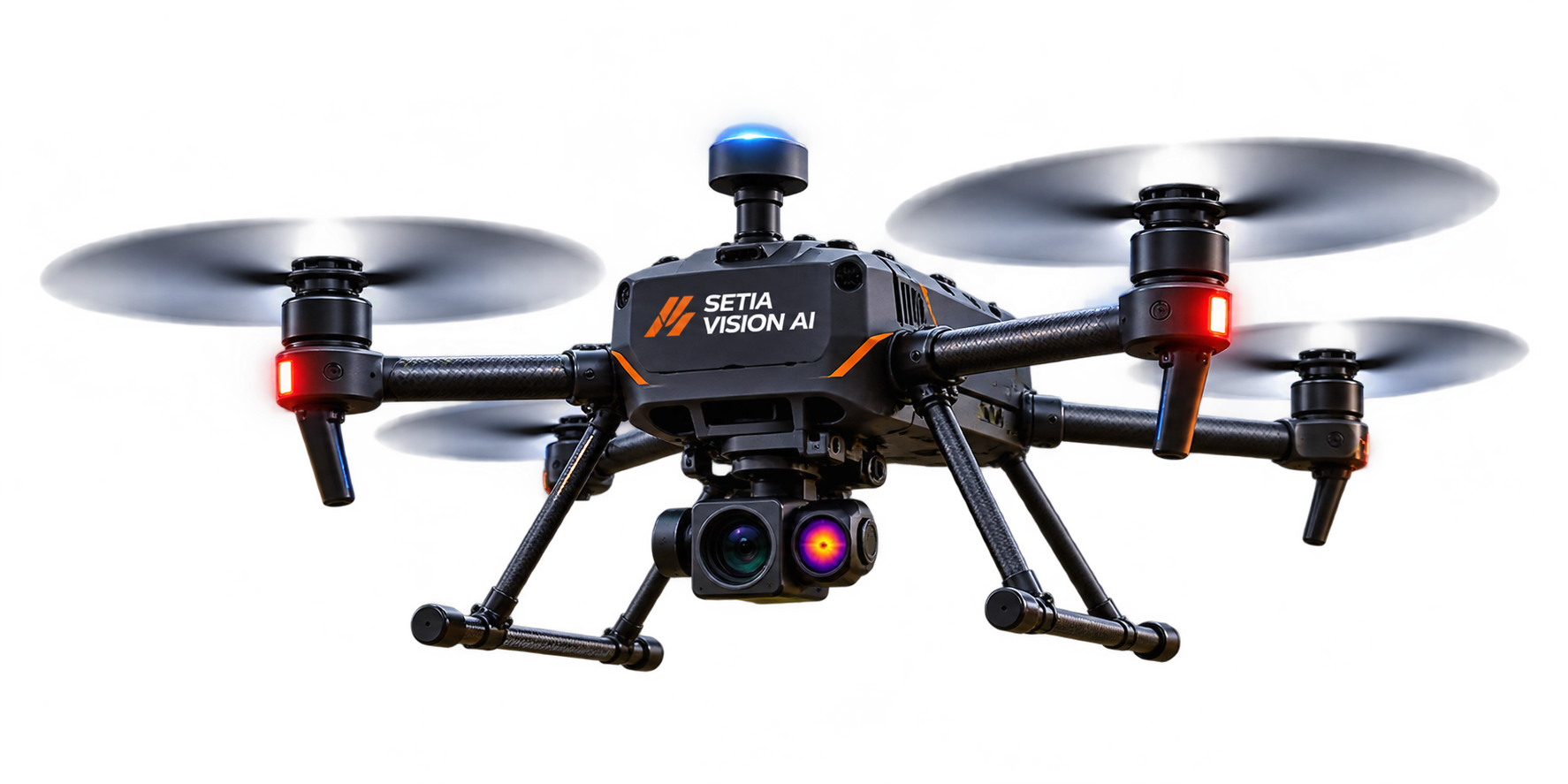
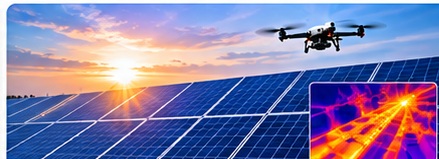
Drone solar farm inspection uses unmanned aerial vehicles equipped with thermal and RGB cameras to survey photovoltaic installations from above. At Setia Vision AI, we conduct aerial thermal and visual inspections of solar farms across Malaysia, identifying thermal anomalies, hotspots and suspected underperforming modules to support maintenance prioritization.
What Is Drone Solar Farm Inspection?
Drone solar farm inspection uses unmanned aerial vehicles equipped with thermal and RGB cameras to survey photovoltaic installations from above. At Setia Vision AI, we conduct aerial thermal and visual inspections of solar farms across Malaysia, identifying thermal anomalies, hotspots and suspected underperforming modules to support maintenance prioritization.
Inspection Challenges We Address
Understanding the practical difficulties that drive the need for drone-based inspection.
Inspecting thousands of solar panels across large ground-mount or rooftop installations manually is time-consuming
Thermal anomalies such as hotspots are invisible to visual inspection and require specialized thermal sensors
Identifying which specific panels or strings are underperforming for targeted maintenance
Accessing rooftop or large-scale installations safely and efficiently
Prioritizing maintenance actions across a large number of detected anomalies
What We Inspect
The specific elements and conditions we document during each inspection.
Thermal Anomalies
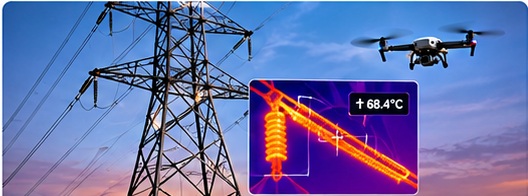
Aerial thermal imaging identifies panels exhibiting elevated temperature patterns that may indicate cell-level issues.
Hotspots
Localized hotspots on individual panels that may indicate cell damage, diode failure or connection issues.
Suspected Underperforming Modules
Panels or strings exhibiting thermal signatures consistent with underperformance compared to adjacent panels.
Physical Damage
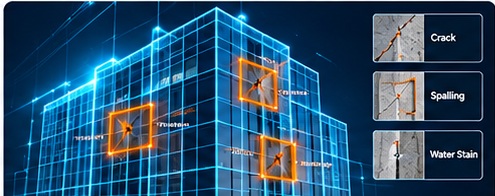
Visible cracks, breakage, soiling or displacement identified through high-resolution RGB imagery.
Installation Quality
Panel alignment, mounting structure condition and visible wiring issues documented during aerial survey.
Vegetation & Shading
Vegetation growth or nearby structures causing panel shading that may affect generation performance.
Our Drone Inspection Process
A structured, engineering-driven approach from planning to report delivery.
Site Survey & Planning
We survey the installation, plan flight paths for complete panel coverage and confirm site access and safety requirements.
Aerial Data Capture
Drones capture synchronized RGB and thermal imagery across the entire solar installation at consistent altitude and overlap.
Panel Detection & Indexing
Captured imagery is processed to identify and index individual panels for panel-level reference.
AI-Assisted Thermal Analysis
AI-assisted workflows help identify and classify thermal anomalies across the captured thermal imagery.
Performance Correlation
Thermal findings are correlated with panel locations and string layouts to support maintenance planning.
Report Delivery
A thermal inspection report with panel-level anomaly mapping and maintenance recommendations is delivered to the client.
The Role of AI in Our Inspection Workflow
AI-assisted analysis supports the identification of thermal anomalies across large volumes of thermal imagery. This helps flag panels exhibiting temperature patterns that warrant further investigation. Thermal findings should be verified through appropriate on-ground electrical testing to confirm the underlying cause before maintenance action. AI assistance improves the speed and consistency of anomaly screening across large installations.
Learn about the LAVEXA platformTypical Deliverables
What you receive after each inspection project.
- Thermal inspection report with panel-level anomaly identification
- Anomaly map showing affected panel locations across the installation
- Thermal classification by anomaly type and severity
- RGB imagery of physical damage or installation issues
- Maintenance prioritization recommendations
Request an Inspection Quotation
Contact our team to discuss your inspection requirements and receive a tailored solution proposal.
Benefits of Drone-Based Inspection
Panel-level inspection coverage across large solar installations
Identification of thermal anomalies not visible through ground-level visual inspection
Targeted maintenance planning to address specific underperforming panels
Reduced inspection time compared to manual panel-by-panel walkthrough
Safer inspection of rooftop installations without direct roof access
Repeatable methodology for periodic performance monitoring
Industries That Benefit From This Service
Frequently Asked Questions
Direct answers to common questions about this inspection service.
Can drone thermal inspection identify all defective solar panels?
Drone thermal inspection identifies panels exhibiting thermal anomalies that may indicate performance issues. Not all defects produce thermal signatures, and some thermal findings may have causes that require on-ground electrical testing to confirm. We recommend thermal aerial inspection as a screening tool to prioritize panels for closer investigation.
What do solar panel hotspots indicate?
Hotspots — localized areas of elevated temperature on a panel — can indicate cell damage, cracked cells, diode issues, poor solder connections or soiling. The specific cause requires on-ground verification. Hotspots are flagged for maintenance attention because they can reduce panel output and, in some cases, pose safety risks.
How often should solar farms be inspected?
We recommend thermal inspection at least annually for most installations, with more frequent inspections for large utility-scale farms or installations in environments with high soiling or vegetation growth. Post-commissioning and post-storm inspections are also valuable.
Do you inspect rooftop solar installations?
Yes. Drone inspection is particularly valuable for rooftop solar installations where manual access is difficult or hazardous. We can inspect commercial and industrial rooftop installations from the air.
What areas do you serve for solar farm inspection?
We are based in Puchong, Selangor and serve solar installations across Peninsular Malaysia. Contact us to discuss projects in East Malaysia or other remote locations.
Can you correlate thermal findings with string-level performance data?
We can incorporate string-level performance data from your monitoring system if available, to correlate thermal findings with actual generation data. This provides a more complete picture of installation performance.