Drone Power Line & Transmission Tower Inspection in Malaysia
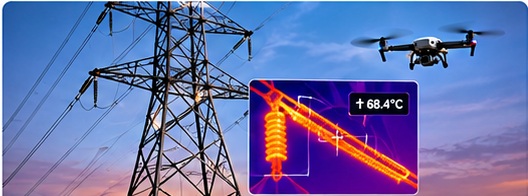
Drone power line inspection uses aerial thermal and visual imaging to survey overhead conductors, insulators and transmission towers. At Setia Vision AI, we conduct visual and thermal screening of power infrastructure across Malaysia, identifying anomalies for condition-based maintenance. Our drone-based approach provides a safer alternative to manual climbing inspections for routine condition assessment.
What Is Drone Power Line & Transmission Tower Inspection?
Drone power line inspection uses aerial thermal and visual imaging to survey overhead conductors, insulators and transmission towers. At Setia Vision AI, we conduct visual and thermal screening of power infrastructure across Malaysia, identifying anomalies for condition-based maintenance. Our drone-based approach provides a safer alternative to manual climbing inspections for routine condition assessment.
Inspection Challenges We Address
Understanding the practical difficulties that drive the need for drone-based inspection.
Manual inspection of high-voltage transmission towers requires climbing, exposing workers to significant safety risks
Long transmission corridors are difficult and time-consuming to inspect from the ground
Thermal anomalies in conductors, joints and insulators are invisible to visual inspection
Vegetation encroachment on power line corridors requires ongoing monitoring
Scheduling inspections on energized lines requires careful coordination and access permissions
What We Inspect
The specific elements and conditions we document during each inspection.
Overhead Conductors
Visual and thermal inspection of conductor condition, splices and joints along the line.
Insulators
Visual condition of insulator strings, with thermal screening for anomalies that may indicate issues.
Connectors & Joints
Thermal screening of connectors and joints for elevated temperature patterns that may indicate resistance issues.
Tower Structures
Visual inspection of tower members, bolts, crossarms and structural components for corrosion or damage.
Corrosion Assessment
Visible corrosion on tower steelwork, hardware and fittings documented during aerial survey.
Vegetation Encroachment
Vegetation growth near conductors documented for clearance management and corridor maintenance.
Our Drone Inspection Process
A structured, engineering-driven approach from planning to report delivery.
Corridor Mapping & Planning
We map the transmission corridor, plan flight paths and coordinate access with the asset owner or operator.
Aerial Data Capture
Drones capture synchronized RGB and thermal imagery along the corridor and at each tower structure.
AI-Assisted Anomaly Detection
AI-assisted workflows help flag thermal anomalies and visual defects across captured imagery.
Structural Assessment
Tower structural components are visually assessed for corrosion, damage and condition.
Engineering Review
All findings are reviewed by our team to ensure technical accuracy and appropriate classification.
Report Delivery
A comprehensive inspection report with thermal findings, structural assessment and defect prioritization is delivered.
The Role of AI in Our Inspection Workflow
AI-assisted analysis supports the identification of thermal anomalies and visual defects across large volumes of inspection imagery. This helps screen long corridors efficiently and flag areas requiring closer attention. Thermal findings indicate areas that warrant further investigation but do not constitute certified electrical testing. All AI-flagged findings are reviewed and verified by our team before inclusion in the final report.
Learn about the LAVEXA platformTypical Deliverables
What you receive after each inspection project.
- Thermal analysis report with anomaly locations and classifications
- Structural condition assessment of each tower inspected
- Geotagged defect map with GPS coordinates
- Defect prioritization matrix for maintenance planning
- Vegetation encroachment documentation
- Raw RGB and thermal imagery archive
Request an Inspection Quotation
Contact our team to discuss your inspection requirements and receive a tailored solution proposal.
Benefits of Drone-Based Inspection
Safer inspection without manual tower climbing for routine condition assessment
Thermal screening identifies anomalies not visible through visual inspection alone
Faster coverage of long transmission corridors compared to ground-based inspection
Comprehensive documentation of tower structural condition
Vegetation encroachment monitoring for corridor management
Repeatable methodology for periodic condition-based maintenance programs
Industries That Benefit From This Service
Frequently Asked Questions
Direct answers to common questions about this inspection service.
Does drone thermal inspection replace certified electrical testing?
No. Drone thermal inspection is a visual and thermal screening tool that identifies anomalies warranting further investigation. It does not replace certified electrical testing, insulation resistance testing or other regulated inspection methods. We recommend thermal aerial inspection as part of a comprehensive condition-based maintenance program.
Can you inspect energized power lines?
Drone inspection can be conducted near energized lines with appropriate planning and safety measures. We coordinate with the asset owner or operator regarding line status, access permissions and safety protocols. Specific requirements may vary by line voltage and location.
What do thermal anomalies on power lines indicate?
Thermal anomalies on conductors, joints, connectors or insulators may indicate increased electrical resistance, loose connections, degraded components or other issues. The specific cause requires follow-up investigation by qualified electrical personnel. Thermal findings are flagged for maintenance attention.
How far can you inspect along a transmission corridor?
We can inspect several kilometers of corridor per flight session, depending on terrain, access and weather conditions. Multiple sessions can be planned for longer corridors. Contact us to discuss your specific corridor length and requirements.
Do you have regulatory approval for power line inspection?
We operate in compliance with CAAM drone regulations and coordinate with asset owners for access and safety. We do not claim specific utility regulatory certifications. Clients should confirm their internal requirements for inspection contractor qualifications.
What areas do you serve for power line inspection?
We are based in Puchong, Selangor and serve power infrastructure across Peninsular Malaysia. Contact us to discuss projects in East Malaysia or remote corridor locations.